

Cart
0
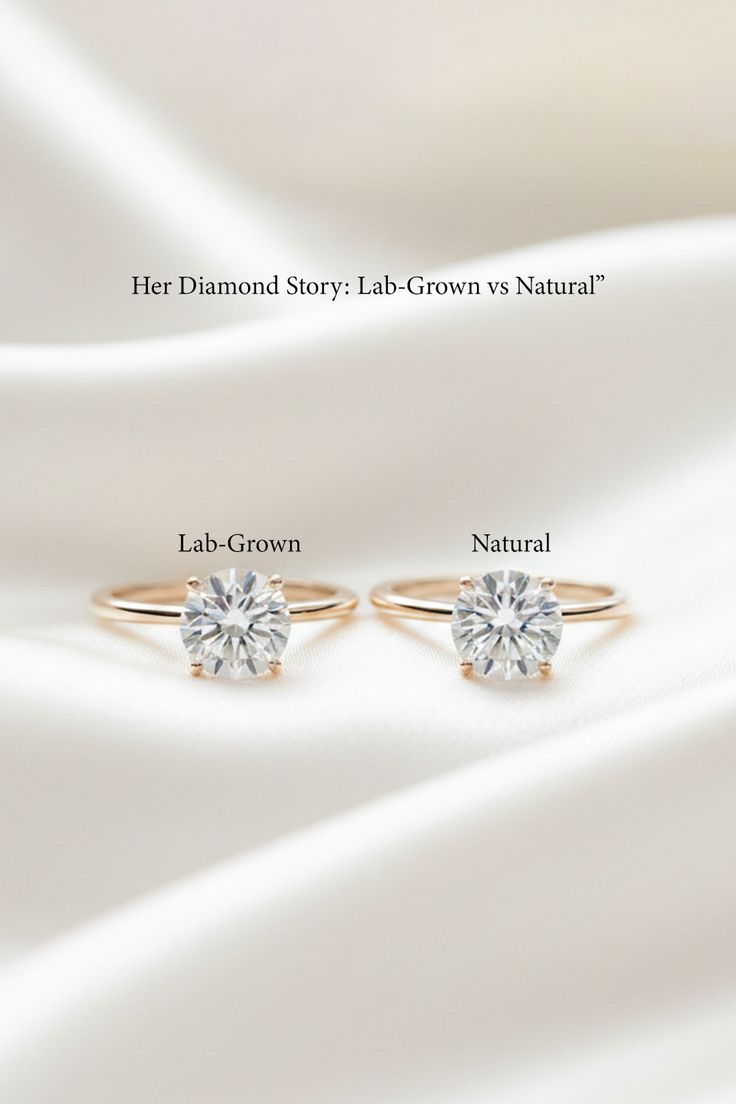
💎 Lab Diamonds vs Natural Diamonds
Lab diamonds vs natural diamonds is one of the most searched comparisons for modern jewellery buyers choosing an engagement ring, wedding ring, or fine diamond jewellery. Both are real diamonds with impressive brilliance, durability, and beauty, but they differ in origin, production, price, rarity, and market considerations. Understanding the difference between lab-grown diamonds and natural diamonds can help you choose the right diamond based on your budget, lifestyle, and personal preferences.
✨ What Are Lab-Grown Diamonds?
Lab-grown diamonds are real diamonds created in controlled laboratory environments using advanced diamond-growing technology. They have essentially the same chemical composition, crystal structure, and optical characteristics as natural diamonds. Lab-created diamonds are available in popular shapes, carat weights, colour grades, and clarity grades for engagement rings and fine jewellery.
🌟 What Are Natural Diamonds?
Natural diamonds are formed deep within the Earth through geological processes over extremely long periods of time. They are mined from natural diamond deposits and then cut and polished for jewellery. Their geological origin and natural rarity are important factors for buyers who prefer traditionally sourced diamonds.
💎 Lab Diamonds vs Natural Diamonds: Key Differences
The main difference between lab diamonds and natural diamonds is their origin. Lab-grown diamonds are produced using specialised technology, while natural diamonds form within the Earth. To the unaided eye, high-quality lab and natural diamonds can look extremely similar, and specialised testing may be required for reliable identification.
✨ Appearance and Diamond Sparkle
When comparing lab-grown diamonds vs natural diamonds, both can offer exceptional brilliance, fire, and scintillation. A diamond's sparkle is strongly influenced by its cut quality and proportions rather than simply whether it is lab-grown or naturally formed. Choosing a well-cut diamond can create a bright and visually impressive appearance.
💍 Diamond Quality and the 4Cs
Both lab-created and natural diamonds can be evaluated using the 4Cs of diamonds: Cut, Colour, Clarity, and Carat Weight. Cut influences light performance, colour describes the presence of colour in the stone, clarity evaluates internal and external characteristics, and carat measures diamond weight. Comparing these quality factors helps buyers make a more informed diamond purchase.
💖 Lab Diamond vs Natural Diamond Price
Lab diamond price vs natural diamond price is a major consideration for many buyers. Lab-grown diamonds generally cost less than natural diamonds with broadly comparable quality characteristics. This can allow shoppers to consider a larger carat weight or different quality combination while staying within their diamond jewellery budget.
🌟 Durability and Everyday Wear
Lab diamonds and natural diamonds both rank 10 on the Mohs hardness scale. Their exceptional hardness makes them suitable for engagement rings, wedding jewellery, earrings, necklaces, and other pieces designed for regular wear. Proper settings and routine jewellery care remain important for protecting any diamond piece.
💎 Certification and Diamond Grading Reports
Lab-grown and natural diamonds may be accompanied by independent diamond grading reports. These reports can provide information about carat weight, colour, clarity, measurements, and other diamond characteristics. Buyers should carefully review the grading report and match available identification details with the diamond before purchasing.
✨ Are Lab Diamonds Real Diamonds?
Yes, lab-grown diamonds are real diamonds. They should not be confused with diamond simulants such as cubic zirconia or moissanite. Lab diamonds share the fundamental diamond composition and crystal structure associated with natural diamonds, while simulants are different materials designed to create a diamond-like appearance.
💍 Lab-Grown Diamond Engagement Rings
Lab-grown diamond engagement rings are a popular option for buyers seeking real diamond brilliance with greater flexibility in their jewellery budget. Popular choices include solitaire, halo, hidden halo, three-stone, and vintage-inspired engagement rings featuring round, oval, emerald, cushion, pear, or princess-cut diamonds.
🌿 Environmental and Sourcing Considerations
Buyers often compare lab-grown and natural diamonds when considering sourcing and environmental factors. The overall impact of either option can vary depending on energy sources, production methods, mining practices, supply chains, and company policies. Reviewing transparent information about a diamond's origin and production can support a more informed choice.
💎 Which Is Better: Lab Diamonds or Natural Diamonds?
There is no single answer for every buyer. Choose a lab-grown diamond if you prioritise a real diamond, modern production, and greater flexibility within your budget. A natural diamond may appeal more if geological origin, natural rarity, and traditional diamond ownership are important to you. The best diamond is the one that matches your priorities and jewellery preferences.
💎 Why Choose Czed Jewels?
At Czed Jewels, we focus on beautifully crafted lab-grown diamond jewellery designed for modern style, timeless brilliance, and meaningful moments. Our jewellery collection includes elegant engagement rings and sophisticated diamond designs created with attention to craftsmanship, quality, and lasting beauty.
✨ Conclusion
The lab diamonds vs natural diamonds comparison mainly comes down to origin, price, rarity, and personal preference. Both are real diamonds and can offer outstanding brilliance, hardness, and timeless beauty. By comparing diamond quality, the 4Cs, grading information, budget, and jewellery style, you can confidently choose the right diamond for your engagement ring or fine jewellery collection.


